Help displaced single mothers rebuild their lives through oral history.
The Refugee Archive collects oral histories and testimonies from displaced single mothers and female-headed households affected by conflict, war, climate disasters, and forced migration. We turn lived experience into research, art, teaching tools, and policy resources so donors, programs, and policymakers can see what support is missing, decide where funding should go, and help women rebuild with dignity.
Choose the link you want to strengthen.
We sit between women whose needs are often flattened or distorted and the people with the power to fund, design, or improve programs. Your gift funds the middle work that keeps lived experience from disappearing before decisions are made.
Lived experience
Displaced single mothers describe what broad statistics miss: safety, income, childcare, documents, school access, legal support, and dignity.
The Refugee Archive holds the system together.
We document, translate, analyze, preserve, and shape testimony into research, teaching tools, art, and policy resources.
Better-directed support
Decision-makers use the evidence to see what support is missing, design programs, direct grants, and allocate funds with more care.
With the Archive in the center, testimony does not sit alone. It connects to research, teaching, art, and policy resources that can guide support toward displaced single mothers and female-headed households.
Showing 1–4 of 9 campaigns
Online Donation
Give to the General Fund to keep the bridge open: we collect testimony, turn it into public resources, and help more people understand how to support female-headed households.
Other Giving Routes
Use these if your gift comes through a workplace, donor-advised fund, mobile wallet, or another giving account.
Mobile Wallets
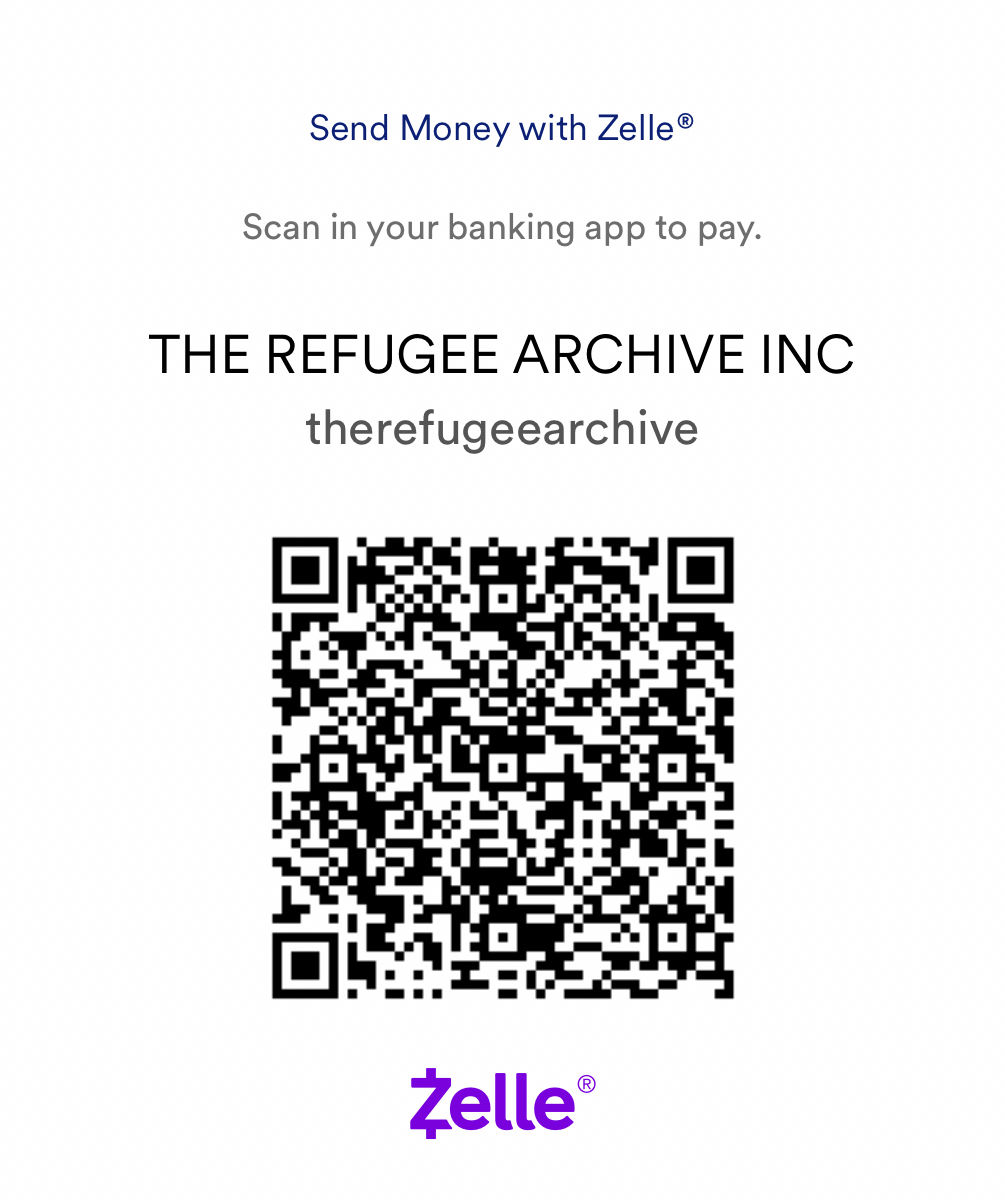
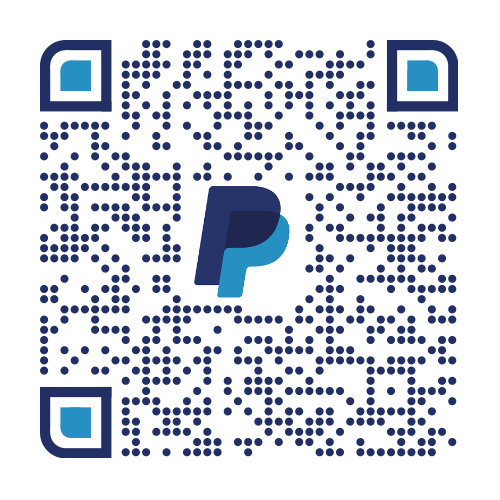
Prefer Zelle or PayPal? Scan a code below. For the clearest general gift, use the secure online donation form.
DAF & Workplace Giving
Giving through Fidelity Charitable, Schwab Charitable, Vanguard Charitable, Benevity, Goodstack, or a workplace portal? Use DAF Pay to donate directly to refugee single mothers' stories.
Donate with DAF PayGive through a donor-advised fund or workplace match.
Give with DAF Pay for refugee single mothers and help turn one generous gift into recorded stories, protected memory, and real support.
A donor-advised fund is a charitable giving account. If you already give through one, or if your employer matches donations, you may be able to support The Refugee Archive from an existing giving account instead of entering a card again.
Look for The Refugee Archive, Inc. in your giving platform.
Choose your gift amount or note the program you want to support.
Send us a note if you want help tracking or matching the gift.
What is a DAF?
A donor-advised fund, often called a DAF, is a charitable account managed by a sponsoring organization. Donors add money to the account, then use it to send charitable gifts to nonprofits over time.
How do I give to The Refugee Archive?
Log into your DAF or workplace giving portal, search for The Refugee Archive, Inc., then donate through that account. If the platform allows a note, write "General Fund" or the program area you want to support.
What about employer matching?
If your employer offers donation matching, submit your gift through the company portal or upload your donation receipt. A match can turn one gift into a larger source of support for oral histories, research, and public resources.
Sponsor a Program
Choose a program area to sponsor, or make a general gift that supports the full ecosystem of documentation, policy, education, art, and public programming.
Oral History Project
- Record first-person testimony
- Transcribe and translate interviews
- Prepare stories for long-term preservation
- Protect memory that might otherwise disappear
Story to Action Lab
- Turn stories into practical learning tools
- Help partners understand local needs
- Support community-led evaluation
- Share findings that can improve programs
Art of Oral History
- Support artists responding to testimony
- Provide materials for visual storytelling
- Make stories easier to encounter and share
- Bring the archive into public spaces
Policy Tracker
- Track policies affecting female-headed households
- Compare protections across countries
- Translate research into accessible summaries
- Support learning labs for students and partners
Webinars & Podcasts
- Host public conversations
- Share archive work with wider audiences
- Bring experts and community voices together
- Create resources people can access remotely
Education Programs
- Build teaching materials from the archive
- Support schools and community partners
- Help students learn from first-person history
How We Use Funds
Your gift covers the work behind visible change: interviews, translation, preservation, research, publishing, outreach, and the basic operations that keep the Archive running.
Program Work
Collect stories, translate them, preserve them, and build resources from them.
Public Reach
Publish updates, podcasts, talks, and campaign materials that help people understand the need.
Basic Operations
Pay for coordination, accounting, secure storage, subscriptions, compliance, and admin tools.
Why It Matters
"We collect testimony so families are not reduced to statistics, and so donors can understand where help is needed."
General donations cover the follow-through that a single campaign cannot show.